
Before long, you go to pick up a prescription. However, you hear, ‘This one needs prior authorization.’ No medication. No clear timeline. Just a wait. The situation underscores How Prior Authorization Works & How to Avoid Delays.
After years working inside retail pharmacy operations, I can tell you this is one of the most common patient frustrations. Additionally, it’s also one of the least explained. Here’s how How Prior Authorization Works & How to Avoid Delays actually happens, and what genuinely helps.
What Prior Authorization Actually Is
Prior authorization (PA) is a requirement your insurance company sets. Not your doctor. Not your pharmacy. It means your insurer has to approve a specific medication as medically necessary before they’ll pay for it.
Insurers use PA most often for expensive or specialty medications, drugs with abuse potential, and cases where a cheaper alternative already exists on the formulary. It’s a cost-control step layered on top of your prescription. It’s not a judgment on whether your doctor made the right call.
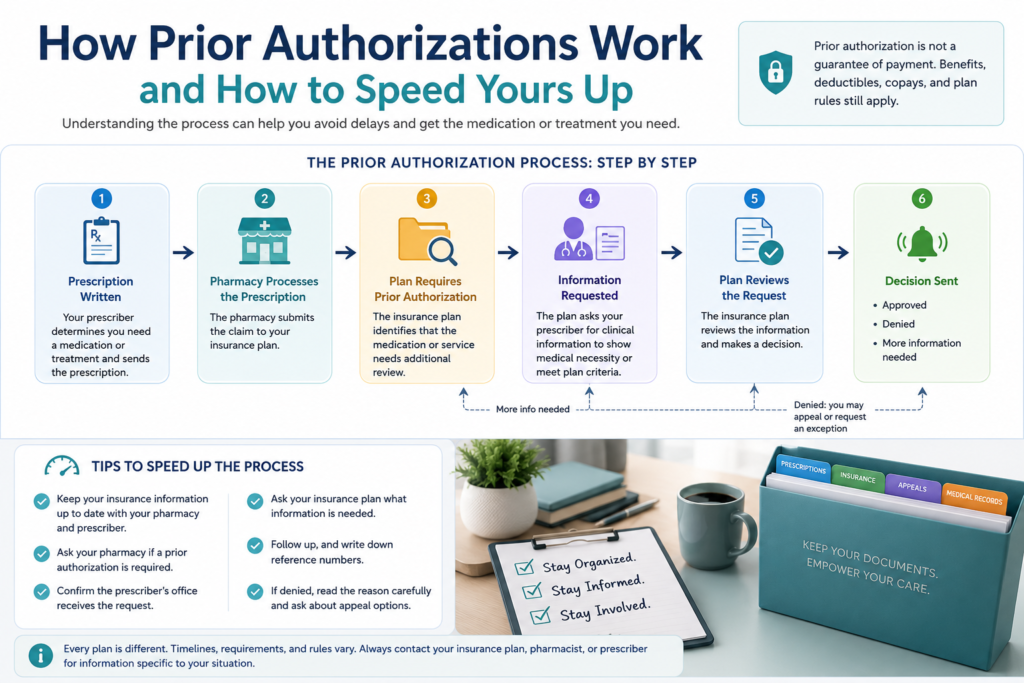
Why It Takes So Long
Here’s the process in short: your prescriber submits paperwork. Your insurer reviews it. Then they approve, deny, or ask for more information.
Most routine requests take somewhere between 24 hours and a few days, once everything is submitted correctly. But several things commonly slow it down:
- Missing or incomplete paperwork. This is the single biggest cause of delay. Often it’s not something you did wrong — it’s a documentation gap between your prescriber’s office and the insurer.
- Non-electronic submission. Electronic prior authorization is increasingly standard, and meaningfully faster. But some clinics and pharmacies still submit by fax or mail. That adds real time.
- High-cost or specialty medications. These tend to draw more scrutiny and more back-and-forth requests for information.
- Insurer-specific processes. Every plan has its own review timeline and documentation requirements. There’s no universal standard here.
- Slow follow-up. If a request gets denied or flagged for more information, delays stack up further when a prescriber’s office doesn’t respond quickly.
Appeals, if it comes to that, can take considerably longer. Sometimes several weeks.
If You’re on Medicare Part D
Medicare has its own rules here. Worth knowing if you or a family member is on a Part D plan. Medicare requires plans to make coverage determinations — including prior authorization decisions — within set timelines. Medicare’s plan-rules guidance also covers related tools insurers use, like step therapy (trying a cheaper drug first) and quantity limits.
If a Part D plan denies coverage, you’re entitled to request a formal coverage determination. If needed, you can also request an exception. This is a specific process, separate from commercial insurance appeals.
A Federal Change Worth Knowing About
Starting in 2026, a CMS final rule (Interoperability and Prior Authorization, CMS-0057-F) begins requiring certain payers to support electronic prior authorization. It also sets specific decision-timeframe requirements for non-drug items and services.
This is part of a broader federal push toward faster, more transparent PA processing. Worth watching — it may gradually make delays like these less common, at least for the payers it covers.
If You’re Denied: How to Appeal
A denial isn’t necessarily the end of the road. Federal consumer guidance lays out two main paths: an internal appeal (asking your insurer to reconsider), and if that doesn’t resolve it, an external review by an independent third party.
A few things worth doing if you’re denied:
- Keep everything. Save the denial letter, any reference numbers, and notes on who you spoke with and when. Documentation matters a lot if you need to escalate.
- Ask specifically why you were denied. A vague denial is harder to appeal than one with a stated reason you can directly address.
- Don’t assume a denial is final. Many denials get overturned on appeal, especially with additional clinical documentation.
What You Can Actually Do to Speed It Up
Confirm your insurance info is current with both your doctor’s office and your insurer. Outdated details are a surprisingly common, entirely avoidable cause of delay.
Ask if your case qualifies as urgent. Insurers can expedite genuinely urgent requests — sometimes responding within 24 hours instead of days. This isn’t automatic. It typically needs your prescriber to flag it as urgent when submitting.
Check your insurer’s portal for a status tracker. Many insurers now show exactly where a PA request stands. Sometimes they show the specific reason for a delay or denial — information that helps your doctor’s office fix the actual problem instead of guessing.
Ask your pharmacist for help. This is a genuinely underused resource. Pharmacists deal with PA processes across many different insurance plans. They can often tell you what’s likely causing a specific delay, whether an alternative medication might avoid the requirement entirely, and can sometimes help check status directly.
Avoid switching pharmacies mid-process. Changing pharmacies while a PA is in progress can reset or complicate the request. Better to wait until it’s resolved if you can.
Don’t wait in silence. If your prescriber’s office hasn’t followed up on a denial or information request, a call from you can genuinely move things along faster than waiting passively.
If You Need the Medication Right Now
If a delay is leaving you without a needed medication, ask your pharmacist about options while the PA is pending. This can include a short-term bridge supply in some cases, a lower-cost cash-pay alternative, or a therapeutic alternative that doesn’t require PA at all. Not every situation has one of these options. But it’s always worth asking directly, rather than assuming there’s nothing to do but wait.
The Bottom Line
Prior authorization delays are genuinely frustrating. They’re rarely caused by anyone actively working against you — usually it’s paperwork, insurer review timelines, or a documentation gap between offices. Knowing where the friction typically comes from means you can ask sharper questions and push the right lever, instead of just waiting and hoping.
Useful Tools for Keeping a Complicated PA Organized
Prior authorization can involve phone calls, denial letters, insurance documents, medication histories, and reference numbers.
Affiliate Disclosure: This article may contain affiliate links. If you purchase through one of these links, we may earn a commission at no additional cost to you.
Medical & Insurance Disclaimer: This article is for general educational purposes only and is not medical, legal, or insurance advice. Prior-authorization rules, deadlines, coverage requirements, and appeal rights vary by health plan, medication, service, state, and individual circumstances. Always contact your insurance plan, pharmacist, prescriber, or other healthcare professional for information specific to your situation.
An organizational tool will not make an insurance company approve your request, but it may make it easier to keep important information together.
Affiliate note: These products are suggested only as organizational tools. They do not influence insurance coverage decisions or guarantee faster prior authorization.
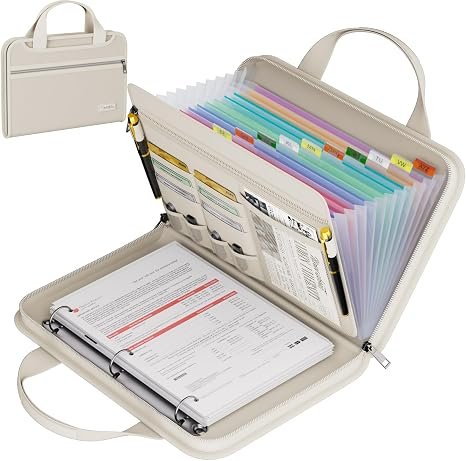
Document organizer: A small expanding file folder can help keep insurance letters, appeal documents, medical paperwork, and coverage notices in one place.
View Document Organizers
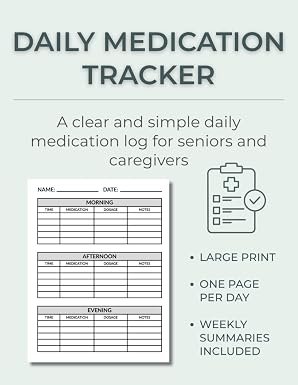
Medication notebook: A medication journal can help you keep a written list of medication names, strengths, previous treatments, prescribers, and questions for your healthcare team.
View Medication Trackers
PharmDecoded provides general educational information intended to help readers better understand pharmacy and healthcare processes. Information on this site should not be used as a substitute for advice from a pharmacist, physician, insurance professional, attorney, or other qualified professional.
This website may earn revenue from affiliate links and display advertising. Where an affiliate relationship applies, a disclosure is provided so readers can distinguish educational content from commercial links.
References
- HealthCare.gov — Prior Authorization and Preauthorization Definitions
- Medicare.gov — Drug Plan Rules
- Centers for Medicare & Medicaid Services — Part D Coverage Determinations
- Centers for Medicare & Medicaid Services — Interoperability and Prior Authorization Final Rule (CMS-0057-F)
- HealthCare.gov — Internal Appeals and External Review
- GoodRx — Prior Authorization: What You Need to Know
- Solace Health — How Long Does Prior Authorization Take for Medication